film / 1956
Moby Dick
John Huston's Moby Dick turns Melville's vast novel into a sea chase driven by Ahab's wounded pride and fatal obsession.
Why read this guide
This film is clearer when the background around obsession and fate stays close. It keeps Captain Ahab and Moby Dick in view while the final scene depends on what came before it.
WikSynth note
Ahab turns work into revenge: The key shift comes when the voyage is no longer just whaling.
Story in 60 Seconds
The short version
Moby Dick follows Ishmael as he joins the whaling ship Pequod and meets its commanding captain, Ahab. The voyage appears to be a commercial hunt, but Ahab reveals that his real goal is revenge against Moby Dick, the white whale that took his leg. The crew's labor, fear, and superstition become secondary to Ahab's private war. Starbuck questions the captain's obsession, but Ahab's authority and force of will keep the ship moving toward danger. Signs of warning gather as the Pequod closes in on the whale. When Moby Dick is finally sighted, Ahab drives the hunt beyond reason. The whale destroys the ship and crew, leaving Ishmael as the lone survivor to tell the story.
Story flow
What happens, at a glance
- 1SetupIshmael joins the Pequod
The whaling voyage begins as work before Ahab's private purpose takes over.
- 2PressureAhab names the true mission
The captain reveals that revenge against Moby Dick matters more than profit or safety.
- 3TurnStarbuck resists the obsession
The first mate sees the danger but cannot break Ahab's command over the ship.
- 4EndingThe final hunt destroys the Pequod
Ahab's pursuit ends by pulling the crew into the same fate he chose for himself.
Remember this
The thing to remember is that Moby Dick turns obsession and fate into a personal test, not just a film premise. The ending matters because Captain Ahab and Moby Dick reveal what the story has been asking the characters to accept.
Spoiler sectionEnding ExplainedShow ending detailsHide ending details
The ending is devastating because Ahab gets the chase he wanted and proves nothing except the cost of obsession. Moby Dick is not defeated as an enemy with a motive; the whale remains a force of nature that Ahab has turned into a personal symbol. Ishmael's survival matters because the story needs a witness who can see the difference between meaning and madness. The final wreck makes the voyage feel less like punishment from the whale than the result of a captain who made everyone sail inside his wound.
Original context
Why It Matters
The adaptation turns a vast novel into a fatal pursuit
The film cannot carry every essay-like current of Melville's novel, so it makes Ahab's chase the central line. That gives the story speed while keeping the moral danger visible.
Timeline
Major events
- 1Ishmael joins the PequodThe whaling voyage begins as work before Ahab's private purpose takes over.
- 2Ahab names the true missionThe captain reveals that revenge against Moby Dick matters more than profit or safety.
- 3Starbuck resists the obsessionThe first mate sees the danger but cannot break Ahab's command over the ship.
- 4The final hunt destroys the PequodAhab's pursuit ends by pulling the crew into the same fate he chose for himself.
Story mechanics
Key Turning Points
Ahab turns work into revenge
The key shift comes when the voyage is no longer just whaling. Once Ahab makes revenge the real mission, every ordinary risk becomes part of his private obsession.
Character Links
Who connects to whom
Character reading
Character Motivations
Ahab needs the whale to mean something
Ahab cannot accept the whale as an animal or accident. He needs Moby Dick to carry the shape of his suffering, and that need becomes more dangerous than the sea.
Adaptation
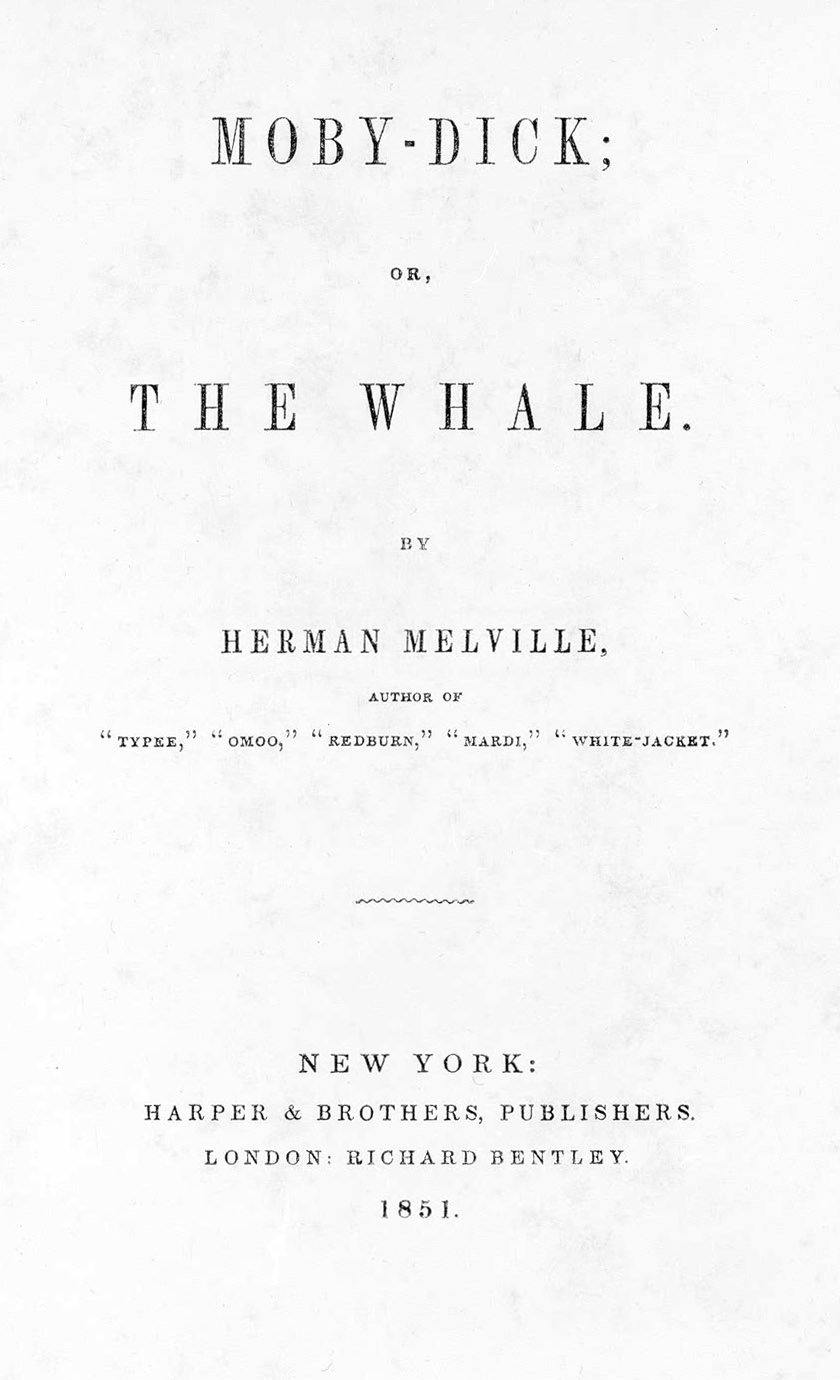
Book and film connection
Keep reading
Related Works
Next step
Continue from Moby Dick
Finished the guide and want to go further? These links help you look up where to watch, read, borrow, or buy it next.